
Google Antigravity is Google’s next-generation AI development platform built around autonomous AI agents capable of planning, executing, and validating software development tasks. Unlike traditional IDEs or AI coding assistants that focus on suggestions, Google Antigravity represents an agentic AI IDE, where developers define objectives and AI agents perform end-to-end execution.
This article explains what Google Antigravity is, how it works, its key features, security considerations, and why it matters for the future of software development.
What Is Google Antigravity and Its AI Development Platform?
Google Antigravity is an agent-first AI development platform that allows AI agents to operate across the software lifecycle. Instead of offering only code suggestions, Antigravity enables agents to:
- Plan development tasks
- Write and refactor code
- Run tests and validations
- Interact with terminals and browsers
- Produce verifiable execution artifacts
Google Antigravity builds on Google’s broader work in large language models and reasoning systems, especially the Gemini AI ecosystem.
Google AI overview – https://ai.google
How Google Antigravity Works as an Agentic AI IDE
Consider a common use case: building a web application.
A developer might provide a prompt such as:
“Create a REST API using Python and Flask with authentication and unit tests.”
An Antigravity agent would then:
- Analyze the requirement and generate a step-by-step plan
- Create the project structure and source files
- Implement authentication logic
- Write unit and integration tests
- Run tests locally and fix failures
- Present results for review
The developer reviews artifacts, requests changes if needed, and approves the output.
Key Features of Google Antigravity
AI-Enhanced Development Environment
Google Antigravity includes a modern editor with deep context awareness, allowing agents to reason across multiple files and modules.
Agent Orchestration Layer
Developers can run multiple agents simultaneously, each assigned to a specific task such as testing, documentation, or refactoring.
Artifact-Based Validation
Instead of trusting raw output, Antigravity provides execution plans, logs, test reports, and snapshots to ensure transparency.
Learn AI Basics here
The Shift to Agent-First Software Development
Traditional AI coding tools focus on assisting developers line by line. Antigravity represents a structural shift toward agent-first development, where AI systems operate with higher autonomy.
In an agent-first model:
- Developers define goals, not instructions.
- AI agents break goals into tasks and subtasks.
- Execution happens across the editor, terminal, browser, and testing tools.
- Results are delivered as verifiable artifacts, not just raw code.
This approach changes the developer’s role from implementation to architecture, review, and decision-making.
Core Components of Google Antigravity
1. AI-Enhanced Code Editor
Antigravity includes a modern editor experience comparable to widely used IDEs. It supports:
- Context-aware code generation
- Refactoring suggestions
- Intelligent error detection
- Multi-file reasoning
The editor serves as the interaction layer between human developers and AI agents.
2. Agent Management Layer
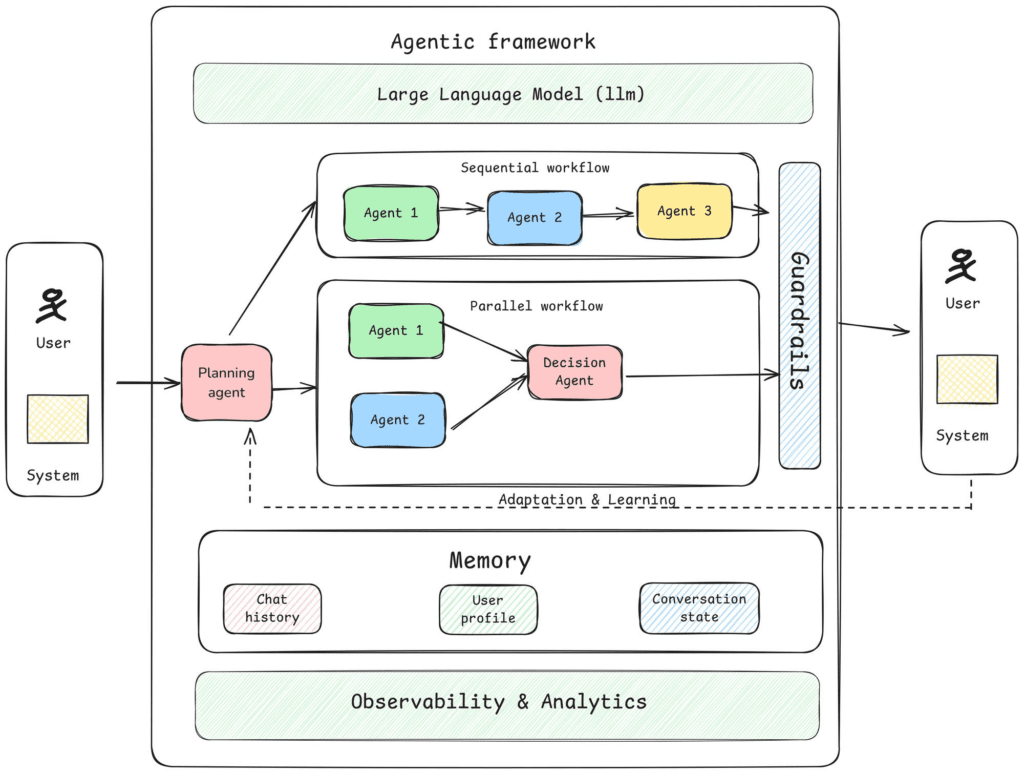
One of Antigravity’s defining features is its agent orchestration layer. This allows developers to:
- Create multiple AI agents for different tasks
- Run agents in parallel
- Monitor execution progress
- Pause, modify, or terminate tasks
Each agent operates with scoped permissions, reducing unnecessary risk.
3. Artifact-Driven Verification
Instead of blindly trusting generated code, Antigravity emphasizes transparency through artifacts such as:
- Task execution plans
- Change summaries
- Test results
- Browser or UI snapshots
This design supports human oversight and enterprise adoption.
At its core, Google Antigravity follows an agentic AI IDE architecture, meaning AI agents act as autonomous workers rather than passive assistants.
A typical workflow looks like this:
- The developer defines a high-level goal
- An AI agent creates a task execution plan
- The agent writes and modifies code
- Tests are executed automatically
- Results are shared as reviewable artifacts
This approach shifts developers from coding every line to reviewing and governing AI-driven execution.
Why Google Antigravity Matters for Software Development
Google Antigravity represents a major shift in how software may be built in the future.
Higher Productivity
Repetitive tasks like boilerplate creation, test writing, and debugging can be handled by agents.
Parallel Execution
Multiple AI agents can work at the same time, reducing delivery timelines.
Changing Developer Roles
Developers increasingly act as architects and reviewers, not just code writers.
Also read about AI tools for small businesses here
Security, Risks, and Early Concerns
Despite its potential, Google Antigravity introduces real concerns:
- Autonomous agents may execute unintended commands
- Malicious prompts could exploit agent permissions
- File system and environment access require strict controls
For enterprise usage, Antigravity will need strong sandboxing, approval workflows, and audit logging.
External reference:
MIT Technology Review on AI safety – https://www.technologyreview.com
Security Vulnerabilities
Autonomous agents with file system or execution access can be exploited through malicious inputs or compromised repositories.
Over-Automation Risks
Without proper permission controls, agents could:
- Modify unintended files
- Delete resources
- Execute unsafe commands
Need for Governance
Enterprise adoption will require:
- Role-based access control
- Execution sandboxes
- Approval workflows
- Comprehensive audit logs
These challenges are not unique to Antigravity but are common across agentic AI systems.
Industry Reception and Developer Response
Initial reactions to Google Antigravity have been mixed:
- Many developers see it as a natural evolution of AI coding tools.
- Others express concern about reliability, security, and loss of control.
- Comparisons are often drawn with tools like GitHub Copilot, Cursor, and autonomous agent frameworks.
What differentiates Antigravity is Google’s attempt to formalize agent orchestration within a production-grade development environment, rather than treating agents as experimental add-ons.
Google Antigravity vs Traditional AI Coding Tools
Unlike tools that focus on inline suggestions, Google Antigravity emphasizes goal-driven execution. This places it closer to autonomous agent frameworks rather than classic IDE plugins.
It complements, rather than replaces, tools used in data engineering and platform workflows.
Internal link:
AI in data engineering – https://technikq.com/databricks/ai-in-data-engineering
The Future of Agentic AI Development Platforms
Google Antigravity is part of a broader movement toward agentic AI systems, where AI models reason, plan, and act with minimal supervision. Over time, this may lead to:
- Smaller but more strategic engineering teams
- Faster development cycles
- Increased focus on system design and validation
Human oversight will remain essential, but AI agents will increasingly handle execution.
Final Thoughts
Google Antigravity is not hype-driven science fiction. It is a serious attempt to formalize agentic AI IDE workflows inside a production-grade development environment. While challenges around security and governance remain, Google Antigravity signals where software engineering is heading next.